Chilli leaf curl virus in Pakistan: symptoms, whitefly spread and control
Published 2026-11-17
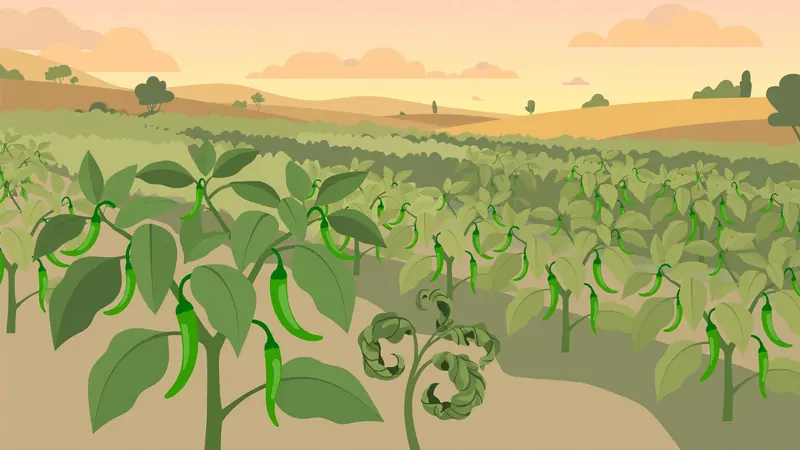
Chilli leaf curl virus is a whitefly-spread virus that curls chilli leaves upward, yellows the veins, shrinks the leaves and stunts the plant, and early infection can wipe out most of the crop. It is one of the most destructive chilli diseases in Pakistan, and because no spray can cure a virus-infected plant, the whole fight is about keeping whitefly off the crop and spotting the first curled leaves early.
What is chilli leaf curl virus?
Chilli leaf curl virus is a begomovirus, a small DNA virus in the family Geminiviridae, that infects chilli and is carried from plant to plant by the whitefly Bemisia tabaci. The virus does not move through seed or soil; it moves on whitefly mouthparts, picked up while feeding on an infected plant.
The disease was first reported in India in the 1960s and has since spread across the subcontinent, including Pakistan, where chilli leaf curl virus and related begomoviruses such as cotton leaf curl Multan virus have been reported on chilli. Once the virus is inside a plant, it stays there for the life of the plant.
What does chilli leaf curl look like?
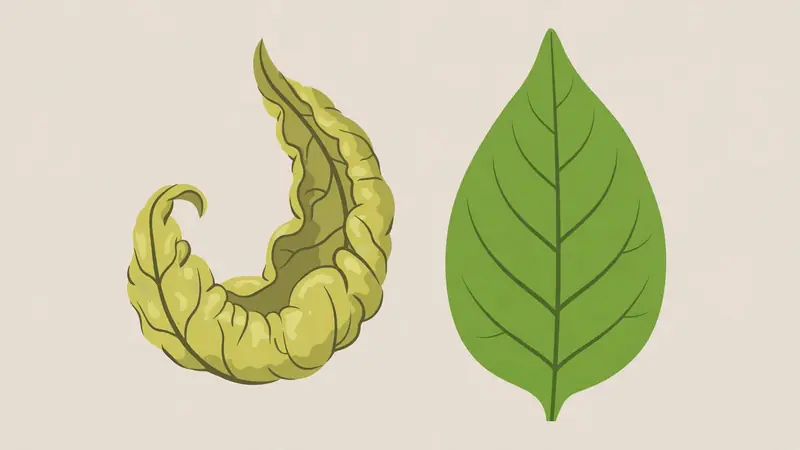
Infected chilli leaves curl upward at the margins, pucker and crinkle, turn yellow along the veins, and stay small, while the veins swell and the stalks and stem joints shorten. Older leaves turn leathery and brittle, the plant stops growing normally, takes on a crowded bushy shape, and sets small, distorted fruit — or almost no fruit at all.
Plants infected early in the season are hit hardest: they stay stunted from the start and may yield almost nothing. Plants infected late, after fruit has set, usually lose less, which is why protecting young plants matters more than anything else.
- Start with the youngest leaves. Curling, puckering and yellowing show first on new growth; a plant whose older leaves alone look rough probably has something else.
- Look for the vein pattern. Yellowing that follows the veins, with swollen veins and a puckered blade, points to leaf curl virus rather than a nutrient problem.
- Check the plant shape. Shortened joints, a crowded bushy look and tiny leaves together are the classic picture of a virus-infected chilli plant.
- Look under the leaves. Whiteflies cluster on the undersides; shake a plant gently and a small white cloud of adults is a strong warning sign.
- Check the fruit. Small, deformed fruit on a stunted, curled plant confirms the damage is already done for that plant — remove it rather than nursing it.
How does whitefly spread the virus?
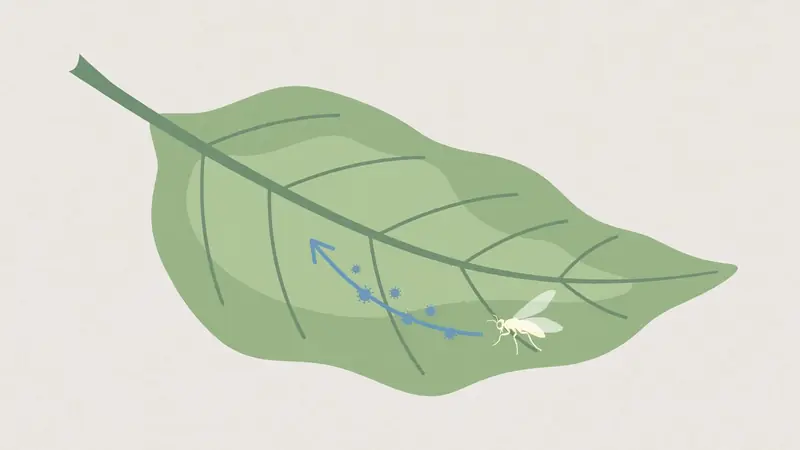
Whitefly spreads chilli leaf curl virus persistently: a whitefly that feeds on an infected plant for a few hours picks the virus up, carries it inside its body for days, and passes it on while feeding on each healthy plant it visits. One whitefly can infect a plant, and eight or more on one plant can give complete transmission.
Whitefly numbers climb with warm, dry weather and fall after rain, so the disease usually builds through the hot season. The virus also survives on weeds and other host plants between chilli crops, which is why a clean field edge matters as much as a clean crop.
How much damage does chilli leaf curl cause?
Chilli leaf curl virus is reported to cause losses of 80–90% in Pakistan, and reviews put losses at 90–95% where early infection is widespread. The numbers vary with variety, season and timing, but the pattern is consistent: early infection is the expensive one, and a field infected at transplanting can lose most of its crop.
The loss is not only fewer fruit. Infected plants give small, distorted, poor-quality fruit that fetches a lower price, so even a moderate infection cuts income twice — once on yield and once on quality.
Can an infected chilli plant be cured?
No — there is no cure for a virus-infected chilli plant, and no spray can remove the virus from leaves that already show curling. An infected plant stays infected, keeps feeding whiteflies, and becomes a source of virus for every healthy plant around it.
The honest response is to pull infected plants out early, bag them and destroy them away from the field, and put the effort into protecting the plants that are still healthy. Keeping one sick plant out of hope is how a few curled leaves become a field-wide epidemic.
How do I control chilli leaf curl?
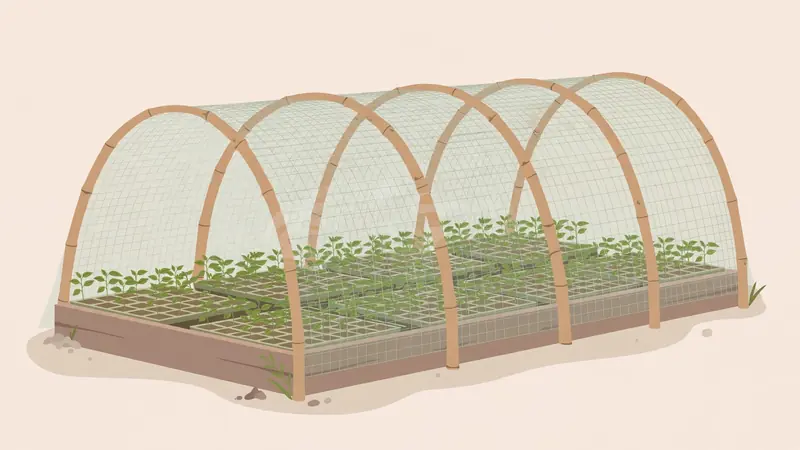
Control means keeping whitefly off the crop and removing every source of virus, because the virus itself cannot be sprayed away. Start with healthy seed from a reliable source and raise seedlings under a fine nylon net so whiteflies never reach them in the nursery, then transplant only clean, vigorous seedlings.
- Net the nursery. A fine nylon net over the nursery bed is the cheapest reliable protection a grower can buy — seedlings that leave the nursery clean stay clean far longer.
- Plant barrier rows. Two to three rows of maize or sorghum around the chilli plot slow whiteflies arriving from outside and give them somewhere else to land first.
- Scout twice a week. Check leaf undersides for whitefly and new growth for the first curl; pull and destroy any plant that shows symptoms, the same day you see it.
- Keep the field clean. Remove weeds that host whitefly and the virus, and clear crop debris after harvest so the virus has nowhere to survive between seasons.
- Protect with oils and friends. Neem oil or horticultural oil sprayed to cover the leaf undersides can reduce whitefly, and natural enemies such as lacewings, big-eyed bugs and minute pirate bugs eat whitefly in the field.
- Use chemicals only against the vector. If whitefly pressure is high, products with active ingredients such as imidacloprid or dinotefuran are used against whitefly — never as a virus cure. No doses are given here; check the current product label and local extension advice first.
- Choose resistant seed where it exists. Ask your seed supplier which current varieties carry leaf curl tolerance, and treat the claim as a starting point, not a guarantee.
What to do next
- Walk the chilli plot today and check the youngest leaves for curling and vein yellowing, and the undersides for whitefly.
- Photograph anything suspicious and check it on PhytoAssist or the symptom tool.
- Pull out infected plants the same day, net the next nursery, and plan a barrier crop around the next planting.
Check a curled chilli leaf
Photograph the leaf, top and underside, and run it through PhytoAssist photo detection for a likely match — then compare the result with the symptoms in this article.
Advisory note
This article is advisory guidance, not a definitive diagnosis. A photo-based check can narrow down the likely disease, but only laboratory confirmation or an extension officer's field visit gives a certain diagnosis. Never spray on the basis of a blog post alone — check the current product label and your local agriculture department advice first. No pesticide doses are given in this article.
By Ghulam Mustafa — Final-year BSc (Hons.) Agriculture student, specialising in Plant Pathology, The Islamia University of Bahawalpur (IUB), Pakistan. CGPA 3.98/4.00.
Frequently asked questions
Is chilli leaf curl caused by a fungus?
No. Chilli leaf curl is caused by a virus, a begomovirus carried by whitefly, not by a fungus. Fungicides do not control it, and spraying a fungicide on curled leaves wastes money. Control works only by stopping whitefly, removing infected plants, and starting with clean seedlings and tolerant varieties.
Can I eat chillies from an infected plant?
Fruit from an infected plant is usually small and deformed but the virus itself does not make chillies unsafe to eat. Wash the fruit before use and discard any that are rotten or badly damaged. The real loss is economic: deformed fruit is hard to sell and the plant keeps producing less.
Does leaf curl spread to tomato or cotton?
The whitefly that carries chilli leaf curl virus also feeds on tomato, cotton, okra and many weeds, and related begomoviruses attack those crops too. A chilli infection does not directly infect cotton, but the same whitefly population threatens nearby crops, so controlling whitefly protects the whole farm, not just the chilli.
Should I spray an infected chilli plant?
Spraying an infected plant will not cure it, because the virus lives inside the plant. Remove the plant instead. Sprays are only useful against whitefly on healthy plants, to stop the virus reaching them. Always check the product label and local extension advice before buying or applying anything.
Sources
- Plantix — Chilli Leaf Curl Virus (symptoms, organic and chemical control) — consulted 2026-11-17
- In silico detection tools for begomoviruses causing leaf curl disease in crops and its management through RNA interference (ScienceDirect Topics, Viral Diseases of Field and Horticultural Crops, 2024) — consulted 2026-11-17
- Environmental factors influencing the population of whitefly and leaf curl disease incidence in chilli (ResearchGate) — consulted 2026-11-17
Curl returns 403 (bot protection); abstract and findings verified via search on 2026-11-17.
Continue: Analyse a photo of the symptom · Work through the symptoms step by step · Tomato leaf curl in the encyclopedia · Chilli anthracnose in the encyclopedia · Okra yellow vein mosaic — another whitefly virus · SabziPlan — kitchen-garden planner · Potato late blight — the fast water-soaked blight · Chilli leaf curl virus in Pakistan